Our focus
A gaming licence is only as valuable as the structure and compliance program behind it. We act as licensing counsel and agent before Canadian, European, Caribbean and Central American regulators, and stay on as ongoing compliance counsel once you are live.
01 · LICENSING
Licence applications
Operator and supplier applications in Ontario, Kahnawake, Tobique, Malta, Curaçao and other jurisdictions, managed end to end.
02 · STRUCTURE
Corporate structuring and key persons
Holding structures, ultimate beneficial owner disclosures, key-person suitability and legal opinions regulators rely on.
03 · CONDUCT
Player protection and gaming AML
Responsible gambling, advertising and inducement rules, KYC and source-of-funds controls built to regulator standards.
04 · ENFORCEMENT
Inspections, penalties and renewals
Regulator examinations, monetary penalties, licence conditions, change notifications and renewals.
Gaming licence applications by jurisdiction
The right jurisdiction depends on where your players are, what you offer, how payment partners view the licence and how much local substance you can support.
Which licence should we apply for first?
Start from your target markets, not from the cheapest licence. Regulated markets such as Ontario require their own registration, while international licences such as Malta or Kahnawake support other markets. Payment providers and B2B partners also weigh the licence when deciding whether to work with you.
AGCO · iGaming Ontario
Ontario
 Ontario
Canada's first regulated provincial iGaming market open to private operators, launched April 2022. Operators need AGCO registration and a separate operating agreement with iGaming Ontario.
Timeline: several months to about a year
Kahnawake Gaming Commission
Kahnawake
Established in 1996. A Client Provider Authorization covers casino, sports betting and poker, with servers hosted through Mohawk Internet Technologies.
Does not grant access to Ontario
Tobique Gaming Commission
Tobique
Created under the Tobique First Nation's 2023 Gaming Act in New Brunswick, issuing licences since 2024. Suited to emerging operators seeking a Canadian-based licence.
Newer regime; confirm market acceptance
Malta Gaming Authority
Malta
 Malta
EU framework with separate B2C and B2B licences and strict player-protection and AML standards. Widely accepted by payment partners and B2B counterparties.
Recognised “gold standard” licence
Gibraltar Gambling Commissioner
Gibraltar
 Gibraltar
British Overseas Territory with an established remote gambling regime and a long track record with major operators.
Requires substantive local presence
Gambling Supervision Commission
Isle of Man
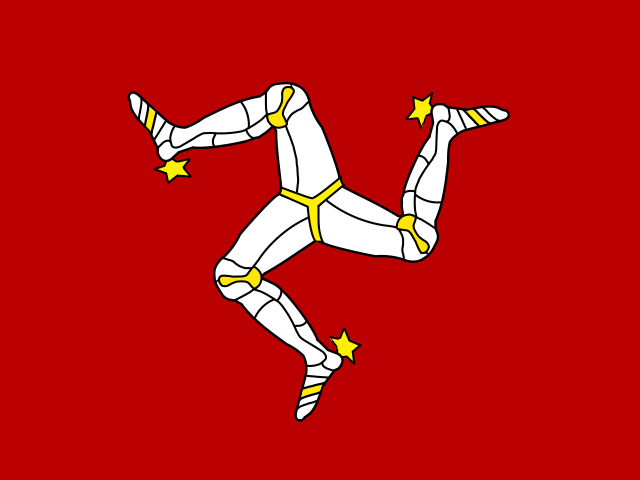 Isle of Man
British Crown Dependency and one of Europe's longest-standing online gambling jurisdictions, with a flexible network-licence model.
Strong for B2B platforms
National Betting Authority
Cyprus
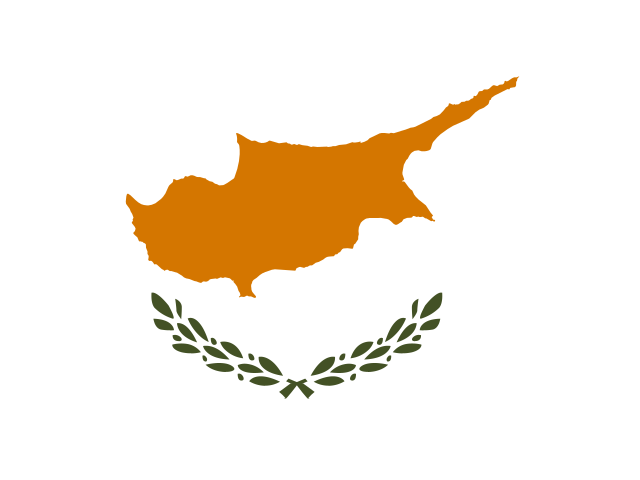 Cyprus
EU member state licensing online betting. Online casino games are not licensed, so the regime suits sportsbook-led businesses.
Betting only
Alderney Gambling Control Commission
Alderney
 Alderney
Channel Island under the Bailiwick of Guernsey, long used by premium European operators and platform providers.
eGambling licence categories
Curaçao Gaming Authority
Curaçao
 Curaçao
Reformed regime: the master-licence and sub-licence system has ended. Operators apply directly for B2C or B2B licences, with local entity, staffing and substantive AML/KYC requirements.
Legacy sub-licences no longer valid
Directorate of Offshore Gaming
Antigua and Barbuda
 Antigua and Barbuda
One of the Caribbean's oldest online gaming jurisdictions, with established interactive gaming and wagering licences.
Mature but smaller footprint
National gaming regulator
Belize
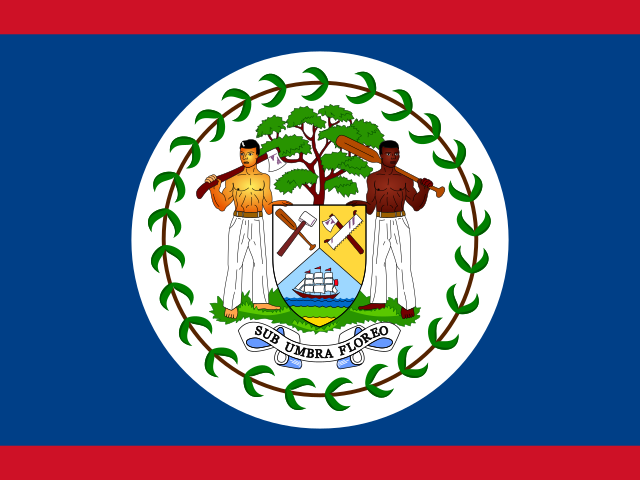 Belize
Simpler application process, often considered by early-stage operators testing selected markets.
Lighter entry; limited recognition
No dedicated gaming licence
Costa Rica
 Costa Rica
Operators typically work under a data-processing business licence rather than a gaming licence, which limits regulatory recognition.
Corporate licence model
Gaming Control Board
Panama
 Panama
Mature Central American jurisdiction covering online and land-based categories.
Online and offline categories
No matching topics.
Canadian domestic vs. offshore licensing
Operators targeting Canadian players usually weigh three options. Each answers a different question about market access, cost and reputation.
| Comparison | Ontario | Kahnawake | Curaçao |
|---|---|---|---|
| Framework | AGCO registers and supervises; iGaming Ontario conducts and manages the market through operating agreements. | Kahnawake Gaming Commission authorisations with hosting through Mohawk Internet Technologies. | Curaçao Gaming Authority under the reformed national gaming ordinance. |
| Coverage | Ontario only. | International markets, excluding restricted jurisdictions. No access to Ontario. | International markets, excluding restricted jurisdictions. |
| Licence types | Internet gaming operator; gaming-related supplier. | Client Provider Authorization (B2C); interactive gaming and key person licences. | Separate B2C and B2B licences. |
| Timeline | Several months to about a year. | Generally shorter than Ontario. | Depends on local set-up and AML/KYC readiness. |
| Cost profile | Registration fees plus revenue share under the iGaming Ontario agreement. | Authorisation and hosting fees; no gaming turnover tax. | Annual licence fees plus local entity, staffing and compliance costs. |
| Suited for | Operators and suppliers seeking regulated North American access and long-term reputation. | International operators prioritising tax efficiency and a Canadian-based regulator. | Mid-size and larger operators able to fund substantive local compliance. |
Practical tip. Many groups combine a regulated-market registration (such as Ontario) with an international licence (such as Malta or Kahnawake), held through separate entities so each regulator sees a clean structure.
Operator vs. supplier licences
Whether you face players or supply other licensees decides which licence you need. Aggregators and platform providers often need supplier registration in each market where their content is offered, even if they never contract with a player.
- B2C operators: player accounts, wallets, marketing and customer care.
- B2B suppliers: game content, platforms, RNG and remote game servers.
- Aggregators: one integration distributing many studios' content, typically licensed as a supplier.
- B2C
- B2B
- AGGREGATOR
Corporate structuring
Regulators look through every layer to the ultimate beneficial owners. We design structures that keep licensed entities separate where required, keep disclosures consistent across jurisdictions and avoid triggering unnecessary approvals when you raise capital.
- UBO
- HOLDING STRUCTURE
Application documentation and legal opinions
We prepare the application file, key-person personal history disclosures, policies, and the legal opinions some regulators and payment partners require on the legality of your offering in target markets.
- LEGAL OPINION
- KEY PERSONS
Ongoing licence compliance
Once licensed, the work continues: periodic reporting, game and system change approvals, notifications of ownership and key-person changes, audits and annual fees. We keep a compliance calendar for each licence.
- REPORTING
- CHANGE NOTICES
Ontario iGaming in depth
Is AGCO registration enough to launch in Ontario?
No. Operators also need an operating agreement with iGaming Ontario, which conducts and manages the market. Suppliers that provide games or platforms need their own AGCO registration.
AGCO registration
The AGCO assesses integrity, financial responsibility and competence of the applicant and its key persons. Complete, consistent disclosure across ownership levels is the main driver of timing.
- OPERATOR
- SUPPLIER
- KEY PERSONS
iGaming Ontario operating agreement
The operating agreement sets the commercial terms, revenue share, reporting and technical integration with iGaming Ontario. We review terms and manage onboarding alongside registration.
- iGO
Registrar's Standards for Internet Gaming
The Standards govern responsible gambling, game integrity, AML, advertising and inducements. Ontario prohibits advertising that uses athletes, and celebrities likely to appeal to minors, and restricts publicly advertising bonuses and inducements outside the operator's own platform.
- PLAYER PROTECTION
- ADVERTISING
Ongoing obligations
Registered operators must report specified incidents, obtain approval for certain changes, maintain controls over self-exclusion and player funds, and cooperate with AGCO audits and inspections.
- INCIDENT REPORTING
- CHANGES
Player protection and gaming AML
Gaming regulators expect AML and responsible-gambling controls to work in practice, not only on paper. We design controls that fit your product and player base.
AML and KYC program for gaming
Policies, risk assessment, player verification, transaction monitoring and escalation procedures aligned with your regulator's standards.
- RISK-BASED APPROACH
- KYC
Source of funds and enhanced due diligence
Thresholds and triggers for source-of-funds checks, politically exposed person screening and enhanced review of high-value or unusual play.
- EDD
- HIGH-VALUE PLAYERS
Responsible gambling
Deposit and time limits, self-exclusion, behavioural monitoring, interaction records and staff training built into your platform and procedures.
- SELF-EXCLUSION
- LIMITS
Advertising and marketing review
Review of campaigns, bonus terms and affiliate arrangements before launch, including Ontario's restrictions on inducements and on the use of athletes and celebrities.
- INDUCEMENTS
- AFFILIATES
Payments and banking for gaming businesses
Licensed operators still face de-risking from banks and payment processors. We help you present your business the way payment partners need to see it.
Payment processor introductions
Introductions to processors and gateways that serve regulated gaming, and support with merchant onboarding questionnaires and contract terms.
- PSP
- MERCHANT ONBOARDING
Banking solutions
A due diligence package built around your licence, ownership, AML program and flow of funds, so banking partners can approve faster. Where your business itself moves funds, see our FinTech, Payments & AML practice.
- DUE DILIGENCE PACK
Inspections, enforcement and renewals
What happens if the AGCO proposes a penalty?
The AGCO can propose monetary penalties, conditions, suspension or revocation. Proposed orders can be challenged before the Licence Appeal Tribunal within strict deadlines, so legal advice should start the day the notice arrives.
Regulatory examinations
Preparation for audits and inspections, document collection, interviews and coordinated written responses.
- AUDIT
- INFORMATION REQUEST
Monetary penalties and licence conditions
Assessment of the alleged breach, negotiation with the regulator and, where appropriate, appeals.
- PENALTY
- APPEAL
Remediation planning
A credible remediation plan, with owners and deadlines, often shapes how a regulator resolves a matter.
- REMEDIATION
Renewals and change notifications
Renewal timetables for each licence and prior approvals for changes in ownership, directors and key persons.
- RENEWAL
- CHANGE OF CONTROL
Find guidance for your situation
Licence application
Entering the Ontario market
Plan the AGCO registration and the iGaming Ontario operating agreement together, and start at least six months before your target launch.
Licence application
Holding a legacy Curaçao sub-licence
The old system has ended. Apply directly to the Curaçao Gaming Authority without delay, or plan a transition to another jurisdiction.
Licence application
Looking for one licence for global markets
No single licence opens every market. We map your target markets and build a licence portfolio around them.
Licence application
Supplying games or platforms to Ontario operators
Gaming-related suppliers need their own AGCO registration before their content or platform goes live with a registered operator.
Ongoing compliance
Launching a new marketing campaign
Ontario restricts inducements, bonuses and the use of athletes and celebrities. Have campaigns reviewed before they run.
Ongoing compliance
Change of ownership or key personnel
Most regulators require prior approval or prompt notice of changes in shareholders, directors and key persons.
Ongoing compliance
Bank or payment partner declined the account
Prepare a due diligence package built around your licence, AML controls and ownership, and approach partners that serve regulated gaming.
Regulatory response
Received an inspection or information request
Verify the facts internally first, then respond in one consistent voice within the stated deadline.
Regulatory response
Notice of proposed penalty or suspension
Assess grounds for review or appeal immediately, and start remediation in parallel to show good faith.
Regulatory response
Licence expiring before renewal
Each jurisdiction has its own renewal window. Missing it can mean a fresh application rather than a renewal.
No matching topics.
Our process and timeline
Timelines depend on the jurisdiction, your structure and how quickly key persons complete their disclosures. A typical engagement follows six stages.
Preliminary assessment
3–7 business days
Preliminary assessment
We run a conflict check and review your corporate structure, ownership, product and target markets. Prepare a shareholder list, organisation chart and a short business plan.
Jurisdiction and structure
1–2 weeks
Jurisdiction and structure
We recommend the licence portfolio and holding structure, including where the operating entity, B2B supplier and payment flows should sit.
Entity set-up and documents
2–6 weeks
Entity set-up and documents
Incorporation, key person disclosures, policies (AML, responsible gambling, complaints), technical and game certification evidence, and legal opinions.
Application filing
Varies by regulator
Application filing
We file the application, coordinate with testing labs and auditors, and track every regulator deadline.
Regulator review and queries
Weeks to months
Regulator review and queries
We prepare responses to regulator questions, arrange interviews and manage background checks for key persons.
Approval and ongoing compliance
Ongoing
Approval and ongoing compliance
Go-live readiness, iGaming Ontario agreement where relevant, reporting calendars, change notifications and renewals.
Frequently asked questions
Can one gaming licence cover the whole Canadian market?
No. Gaming is regulated province by province. An Ontario registration covers Ontario only, and neither a Kahnawake nor a Tobique authorisation gives access to Ontario or to other provinces with their own regulated models.
Can a foreign company register with the AGCO?
Yes. Many registered operators and suppliers are foreign companies. The AGCO assesses the applicant, its owners and key persons for integrity, financial responsibility and competence, so complete and consistent disclosure matters more than where the company is incorporated.
How long does Ontario registration take?
Plan on several months to about a year, depending on the complexity of the ownership structure, the completeness of the filing and how quickly key persons complete their disclosures. The iGaming Ontario operating agreement runs alongside registration.
Can I still use my old Curaçao sub-licence?
No. Under the reformed regime, sub-licences issued under the former master licences are no longer a valid basis to operate. Operators need to apply directly to the Curaçao Gaming Authority or move to another jurisdiction.
Do game studios and platform providers need a licence?
Often, yes. In Ontario, gaming-related suppliers must be registered before their games or platforms are offered by a registered operator. Malta, the Isle of Man and Curaçao have their own B2B licence categories.
What AML obligations apply to a licensed gaming operator?
Most gaming regulators require a documented AML and counter-terrorist financing program, customer due diligence, source-of-funds checks for higher-risk players, transaction monitoring and suspicious activity escalation. Where your business also moves funds or deals in virtual currency in Canada, FINTRAC obligations may apply separately.
See our FinTech, Payments & AML practice.
How quickly do we need to respond to a regulator's inspection?
Deadlines are set in the notice and vary by regulator. Complete internal verification first, keep one point of contact, and make sure every answer is consistent with what you have previously filed.
Book a licensing assessment
A 30-minute assessment with a lawyer in our gaming practice will identify the licences you need, the structure that supports them and the main risks to your timeline.
A short summary is enough to start
Your corporate structure, the jurisdictions or activities you are considering, your target launch date and any correspondence you have received from a regulator. We confirm the conflict check and respond within one business day.
Book a 30-minute assessment
The content on this page is general legal information and is not legal advice. Contacting us or submitting information does not create a lawyer–client relationship. A written retainer agreement is required before we act for you.
Scan to message us on WhatsApp
 Open WhatsApp →